Hot-swap or soldered
BuildsOne is reversible. The other is slightly better and permanent.
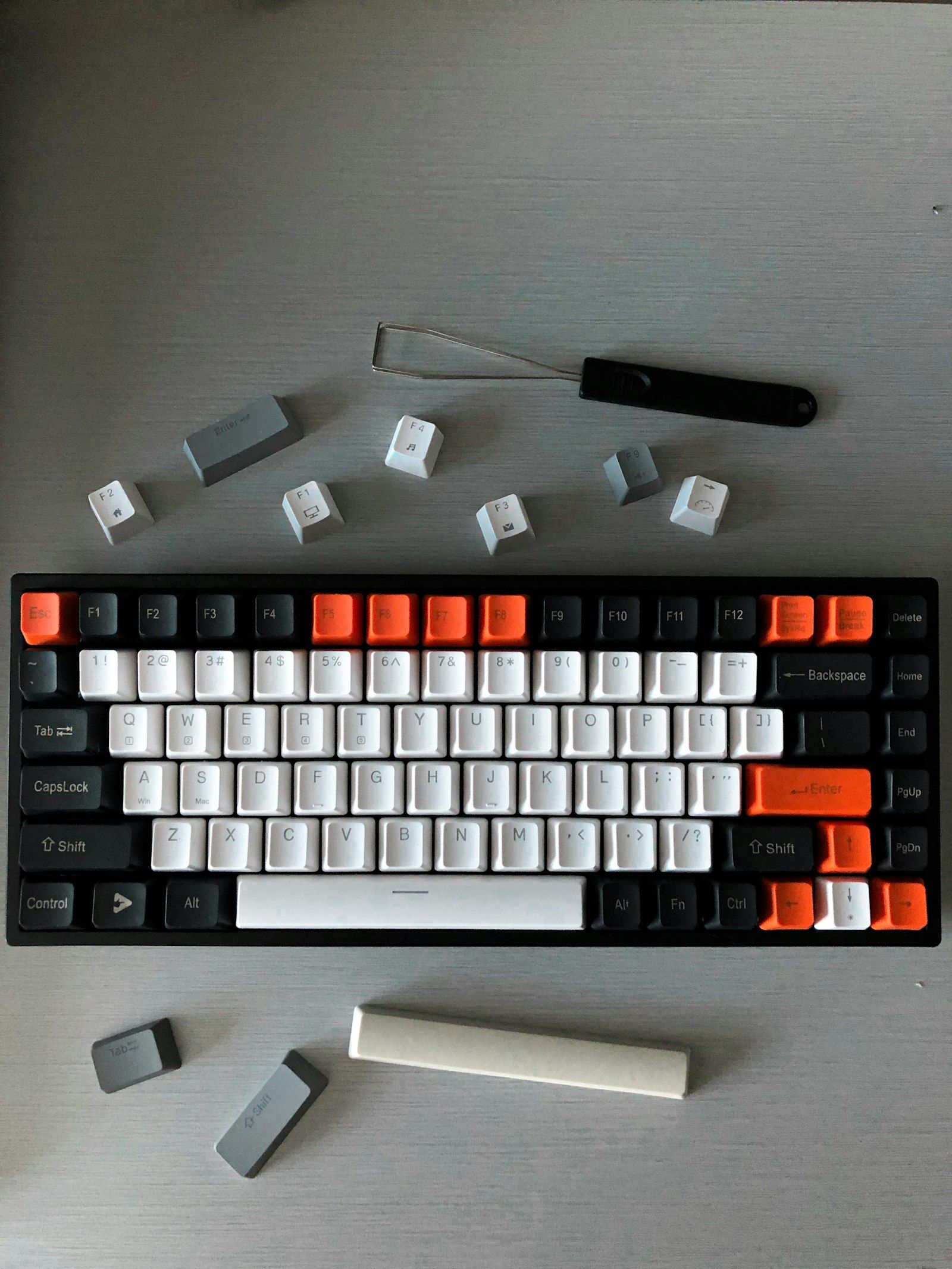
The difference
A hot-swap PCB has sockets, so switches push in and pull out. A soldered PCB needs each switch's two pins joined to the board with solder.
What hot-swap costs
The socket adds a small amount of height and one more mechanical connection. Sockets can wear or lift if you insert switches carelessly with bent pins. Some builders report a marginal difference in sound; it is small next to the case.
What soldering buys
A permanent connection, no socket height, and access to PCBs that never offered hot-swap. It costs an iron, some practice, and the willingness to desolder 80 joints if you change your mind.
Which to choose
If this is your first board, hot-swap — the ability to change your mind is worth more than any marginal gain. If you already know what switches you want and intend to keep them, soldered is slightly better and considerably cheaper.